Contractor Chaos:

How AT&T’s Use of Fly-by-Night Contractors Compromises Broadband Build Out

Local 6312 AT&T SW

Executive Summary

The United States is undergoing a boom in broadband deployment, bolstered by the Bipartisan Infrastructure Law, which will see a $65 billion investment to connect everyone in America to reliable and high-speed internet service.[1] As the nation’s largest fiber provider, AT&T is already benefiting from this investment[2] and expanding the reach of its fiber locations.[3] At this critical juncture, AT&T should be investing in its highly-trained technician workforce and listening closely to its technicians who intimately understand the field operations and its weaknesses. Instead, AT&T has shed 45% of its workforce in the seven years since the 2017 Tax Cut and Jobs Act.[4]

A Communications Workers of America (CWA) survey of over 250 AT&T technicians across Texas, Missouri, Kansas, Oklahoma, and Arkansas suggests a recurring and systemic pattern of AT&T utilizing contractors that deliver poor work quality that significantly disrupts the ability of its directly-employed technicians to efficiently, effectively, and safely perform their job.

  • 77% of AT&T technicians surveyed report being impacted by contractor quality issues at least weekly, with more than 1 in 3 experiencing a daily impact;
  • 65% report having to re-do contractor work because it was not up to standard[5];
  • Over 65% have had to return to job sites more than once to address problems related to poor quality contractor work;
  • Nearly 80% say their work assignments take more time to complete than they should, as a result of contractor quality issues; and
  • Nearly 75% believe contractor quality issues are negatively impacting AT&T customer retention.

The survey findings were validated through a field investigation of contractor work, occupational safety records, and news reports.

As AT&T looks to expand its fiber footprint, CWA recommends that the company work collaboratively with its technician ranks to re-evaluate its use of contractors for critical deployment work, given the impact technicians believe it is having on the company’s field operations efficiency and customer satisfaction and to better align with the company’s own Environment, Health and Safety Policy. It is also clear to the surveyed technicians that AT&T’s current deployment protocol and timeline expectations do not adequately account for the impact of contractor quality issues, which should be addressed with concrete actions from the company. AT&T technicians and CWA look forward to working with the company to make its future in fiber even more successful than the last decade.

Introduction: AT&T Slashes Jobs in Favor of Profits

As the nation’s largest fiber provider,[6] AT&T’s success is the result of over a decade of work by highly-skilled technicians who go above and beyond to deploy critical infrastructure in their communities.[7] The Communications Workers of America (CWA) District 6 represents thousands of AT&T technicians across Texas, Missouri, Kansas, Oklahoma, and Arkansas who are proud to do this work and embody the best of AT&T through their commitment to safety, professionalism, and customer care.

Since the Tax Cut and Jobs Act was enacted in December 2017, AT&T has cut 113,000 jobs from its corporate payrolls, or 45% of its workforce.[8] When speaking about the 2017 Act, AT&T CEO John Stankey said: “You take tax policy from the first administration and you look at what occurred, it worked. I mean it worked for us.”[9] The company’s hollowing out of its workforce comes alongside stated plans to retire its copper network, exit fifty percent of its wireline service area, and build fiber-optic broadband to less than half of its historic footprint.[10]

Even though the company has a well-trained, directly-employed technician workforce, AT&T likely reduced costs by relying on contractors for more and more of its frontline customer-facing network infrastructure work including excavation, boring, trenching, and fiber placement among other requisite deployment tasks. These contractors are a part of a complex, unwieldy, and opaque network of prime contractors, subcontractors, and subcontractors to subcontractors.[11] Based on a survey of AT&T technicians in five states, a field investigation of contractor practices, and a review of occupational safety records and news sources, this report demonstrates that AT&T’s workforce fissuring likely has serious impacts not only for critical infrastructure work quality and work safety, but also on its brand health and network deployment efficiency.

Contractor Impact on AT&T’s Brand and Local Relationships

AT&T’s decision to utilize contractors that reportedly perform substandard work can result in serious negative outcomes for the public and local communities. Reports and government documents suggest that some AT&T contractors have failed to adhere to AT&T specifications, protocols, and allegedly failed to comply with state and local laws. A basic news scan of AT&T broadband’s deployments captures dozens of articles that highlight disgruntled homeowners, as well as local elected officials and staff who reported being negatively impacted by AT&T’s contractors’ poor work quality and performance.

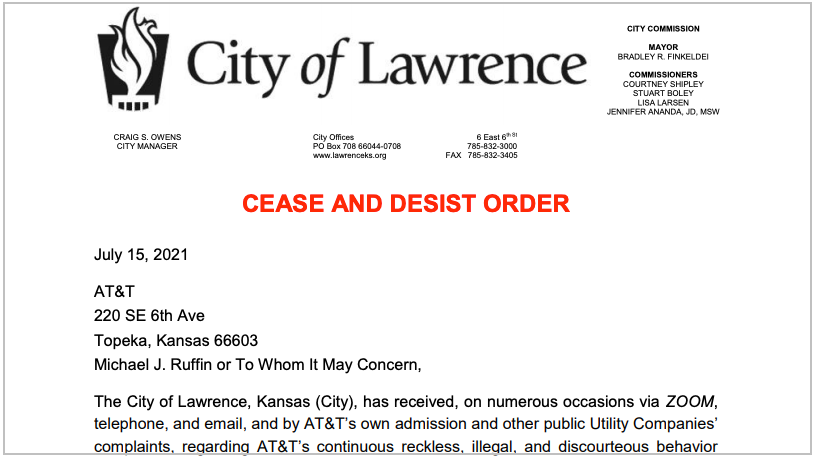
In one particularly pronounced example, in July 2021, the City of Lawrence, Kansas issued a cease and desist order to AT&T and its contractors for allegedly engaging in “continuous reckless, illegal, and discourteous behavior within the City.” This cease and desist order came after the City received numerous complaints from constituents, public utility companies, and even AT&T’s own admission of its conduct. The City of Lawrence’s Cease and Desist order alleged that AT&T’s conduct of “[w]orking without having utility locates being properly performed[]” constituted a “direct violation of State of Kansas Law.” AT&T and its contractors’ alleged recklessness caused city residents to be without service and other utility companies to perform emergency work to correct the issues.[17]

City of Lawrence issues cease and desist order to AT&T, citing ‘reckless behavior’

As news reports show, AT&T’s fiber deployments are often plagued with recurring incidents to homeowner yards and properties[18]and underground utility hits.[19]CWA-represented technicians often raise concerns about contractors’ substandard work that can contribute to right-of-way and underground incidents. While shoddy contractor work can have serious impacts on the public, it can also directly impact the day-to-day work conditions of AT&T’s directly-employed technicians.

AT&T Technicians Raise Their Voices on Contractor Impacts

Between November 2024 and January 2025, CWA surveyed over 250 AT&T technicians, primarily Customer Service Technicians, Cable Splicers, and Premise Technicians, across Texas, Missouri, Kansas, Oklahoma, and Arkansas about the impact of AT&T’s contractors on work quality and work safety. The survey results suggest a recurring and systemic pattern of contractors that deliver poor work quality that disrupts the ability of CWA-represented technicians to efficiently and effectively perform their job functions.

Contractor Impact on Field Operations and Infrastructure Quality Outcomes

AT&T technicians take pride in the high quality work standards they are trained to meet and deliver to customers. The nonunion contractors that AT&T increasingly rely on to build its broadband network often fail to meet the specifications and standards demanded of the company’s direct employees. When deployment work is subpar the negative outcomes fall on customers, localities, AT&T technicians, and the AT&T brand. The survey results described below suggests that substandard contractor work can lead to delayed deployments for customers, field operations inefficiencies, including the re-doing of already-paid-for work and redundant truck rolls, and high amounts of stress for technicians leading to burnout, which can disrupt critical workforce staffing. As one AT&T employee responded in the survey, “It’s a defeating feeling when we are told to follow CODE in our organizations, but contractors don’t adhere. Care, Own it, Deliver, Exceed expectations.”

AT&T introduced the CODE initiative in 2019 to provide a framework to empower its field technicians to make good decisions that best serve the customer. AT&T believes that field operations are a crucial part of the customer experience.[20] Customers expect to know when their technician is going to arrive, how long the job will take, when they can expect service to turn up or resolution of their issue, and that their residence will be cared for properly by the technician. To help achieve this goal, AT&T introduced its Dispatch Learning Engine in 2018 to optimize schedules for its techs, minimize drive time, and maximize the number of jobs they are able to see everyday.[21] Yet, the survey results suggest that AT&T’s nonunion contractor workforce may be undermining the company’s efforts to be as efficient as possible.[22] 
 

Seventy-seven percent of survey respondents report being impacted by contractor quality issues at least weekly, with more than 1 in 3 experiencing a daily impact. Describing one of their biggest concerns about the quality of work done by contractors, one respondent said, 

You cannot substitute for experience. It takes many years to be good at this job. You cannot just hire the cheapest contractor to do the work. It shows everyday, to us technicians and to our customers, that AT[&]T is cutting corners on quality.”


Technician reports of shoddy or substandard work quality by contractors cover a range of problems that can lead to the unnecessary or premature degradation of the network, damage to rights-of-way, service disruptions, or dangerous conditions for workers and the public. The shoddy work reported in CWA’s survey of technicians includes: disruption of already-active above ground service lines, underground utility strikes, improper placement of network infrastructure in the right-of-way or on customer property, failure to install critical infrastructure components such as terminals, lack of sealing to protect network infrastructure against external elements, safety issues arising from improper grounding or bonding of the network, and failure to restore customer premises to original or improved appearance.[23]

AT&T technician respondents report delays and inefficiencies in the use of their time and company resources resulting from shoddy contractor work. Asked about their biggest concerns regarding the quality of work carried out by contractors, based on direct experience, a respondent said, “Poor craftsmanship causes jobs to be delayed and possible missing of commitment dates. It can also put the public, technicians and contractors themselves in unnecessary harm's way. It costs extra money because when the technician has to take time to correct contractor issues the company is paying twice for the job to be done.” The survey bears out these comments:

  • Sixty-five percent of respondents reported having to re-do contractor work because it was not up to standard.[24]
  • Similarly, more than 65% have had to return to job sites more than once to address problems related to poor quality contractor work.
  • Nearly 80% say their work assignments take more time to complete than they should, as a result of contractor quality issues.
     
As one technician noted, 

“The company’s numbers game doesn’t account for the amount of returns that each tech has to do because of [shoddy] work.”


Survey respondents emphasized that direct employees are required to oversee and re-do contractor work on a regular basis: “We have to be on site the whole time the contractor is working just to make sure that job is done correctly. If you're not there when work is being done you have to recall [the] contractor to dig back more or they exposed [the] wrong cable.” Another respondent noted the delays caused by contractor errors, stating “Yes most of the time we have to put a job on hold due to contractor errors. It usually take[s] a week or two for a contractor to get back to a job when they have moved on.”
 

“I’ve had to do engineering work to design fixes for botched jobs installed by unsupervised contractors installers because the engineer lets contractors do all the designing of the jobs without the engineer even visiting the sites. Causing poor installs of equipment and facilities.”


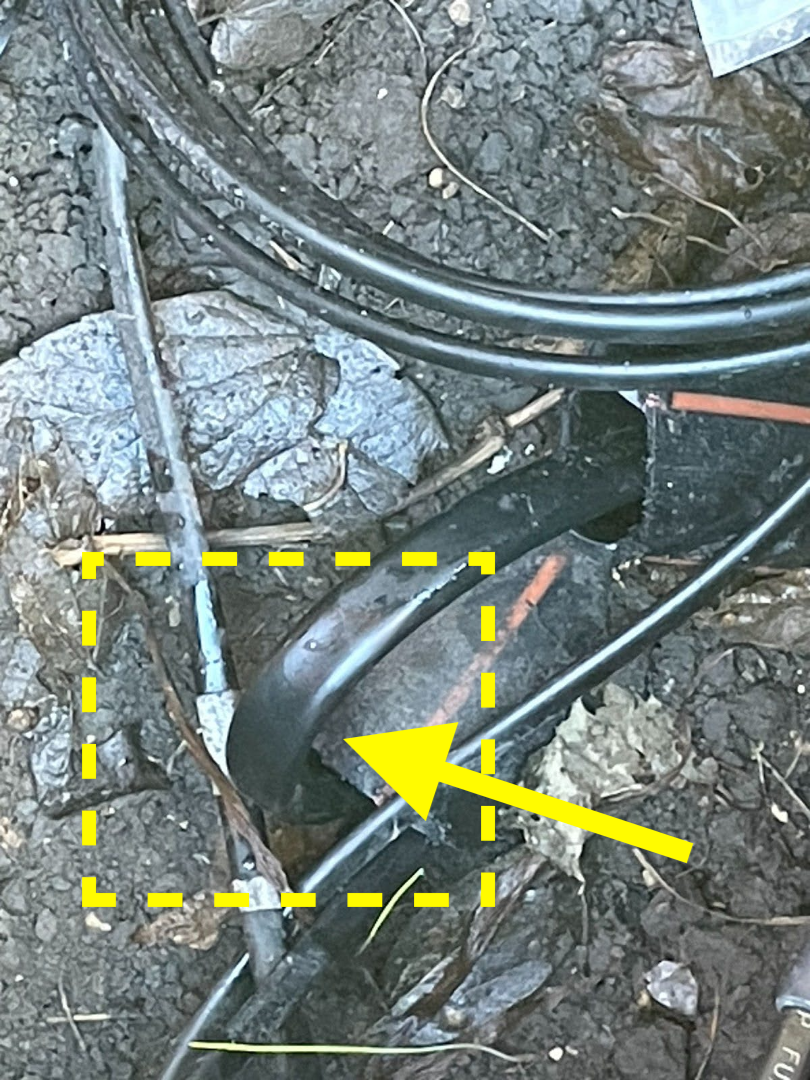
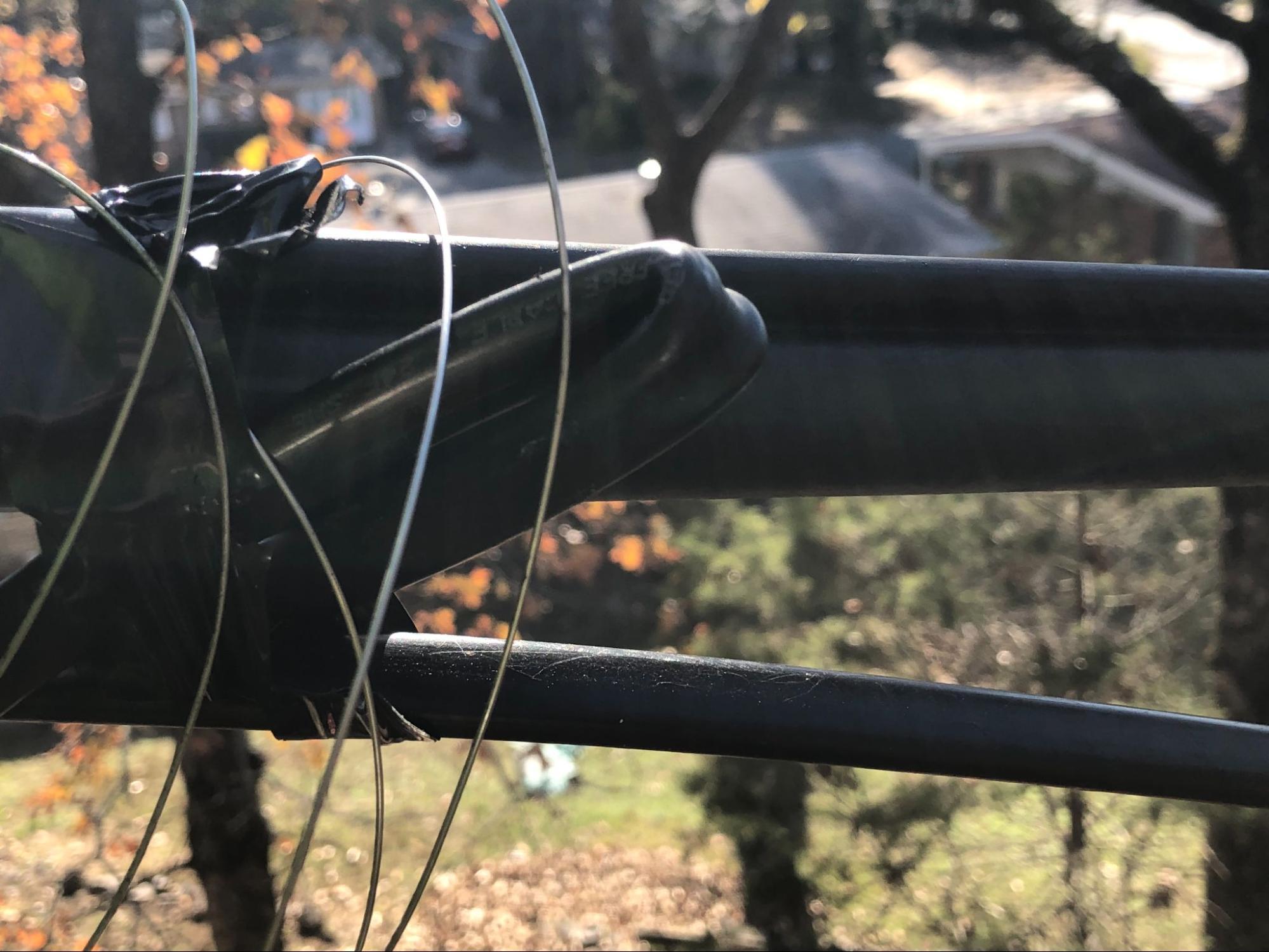
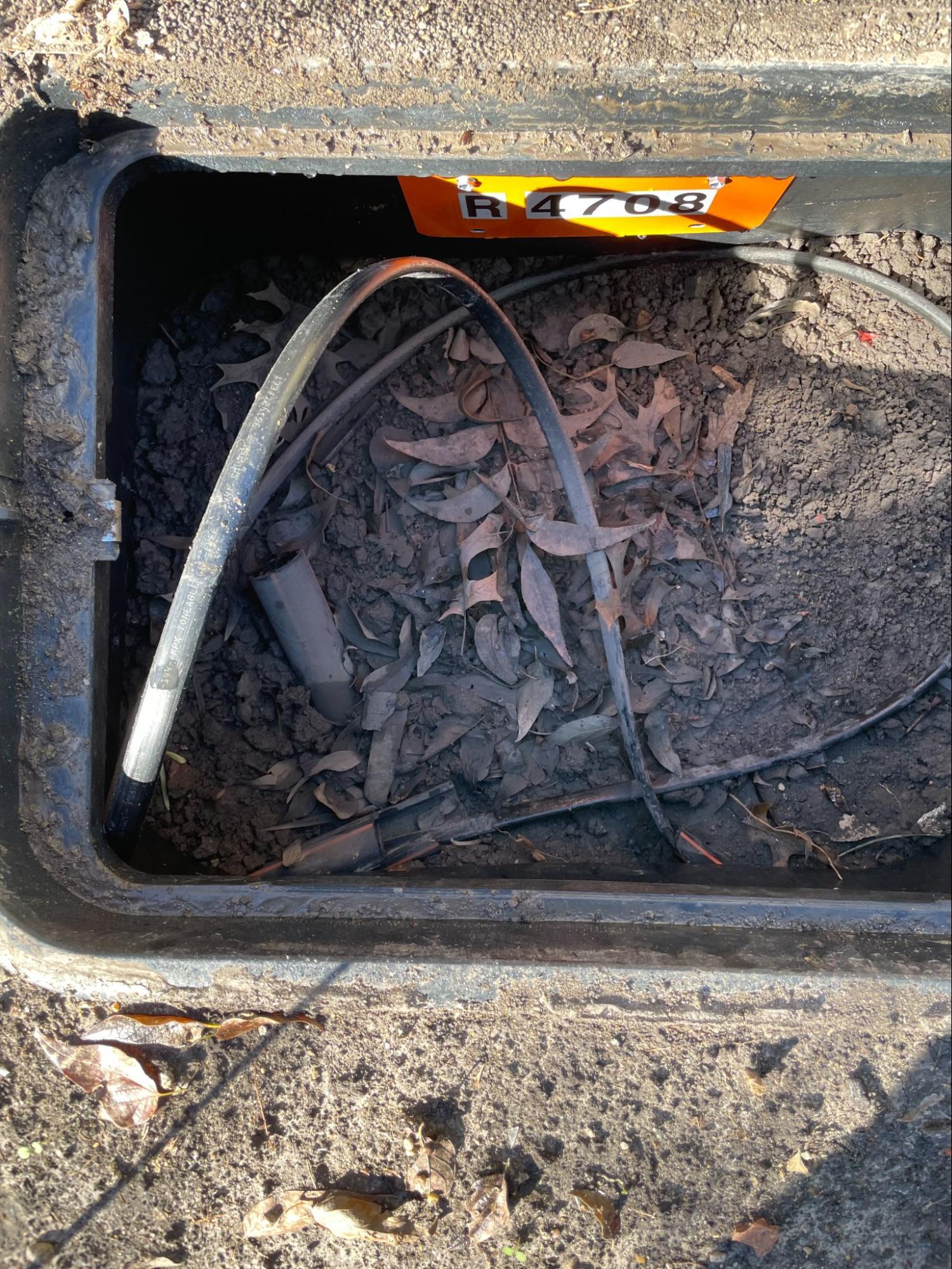
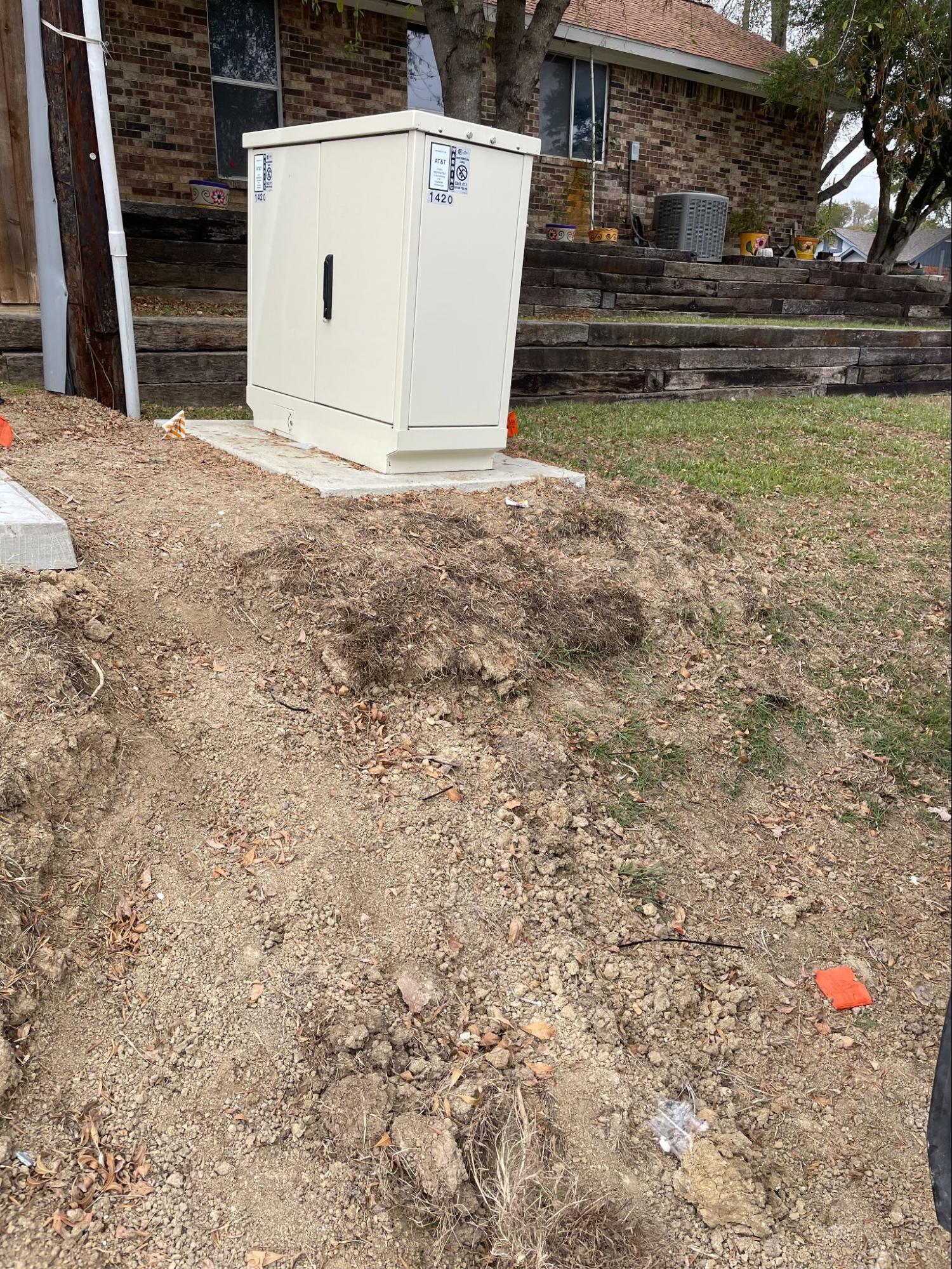
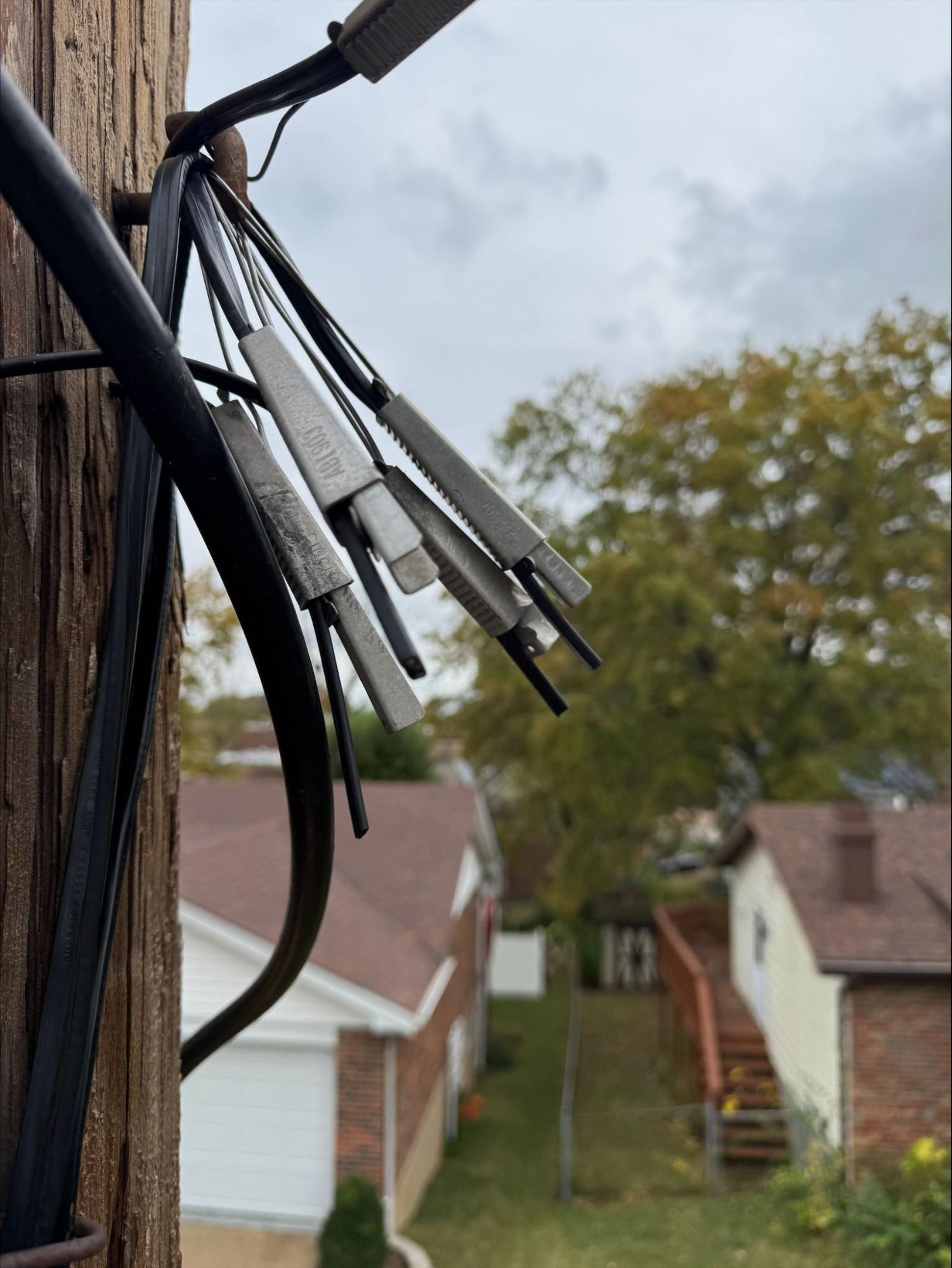
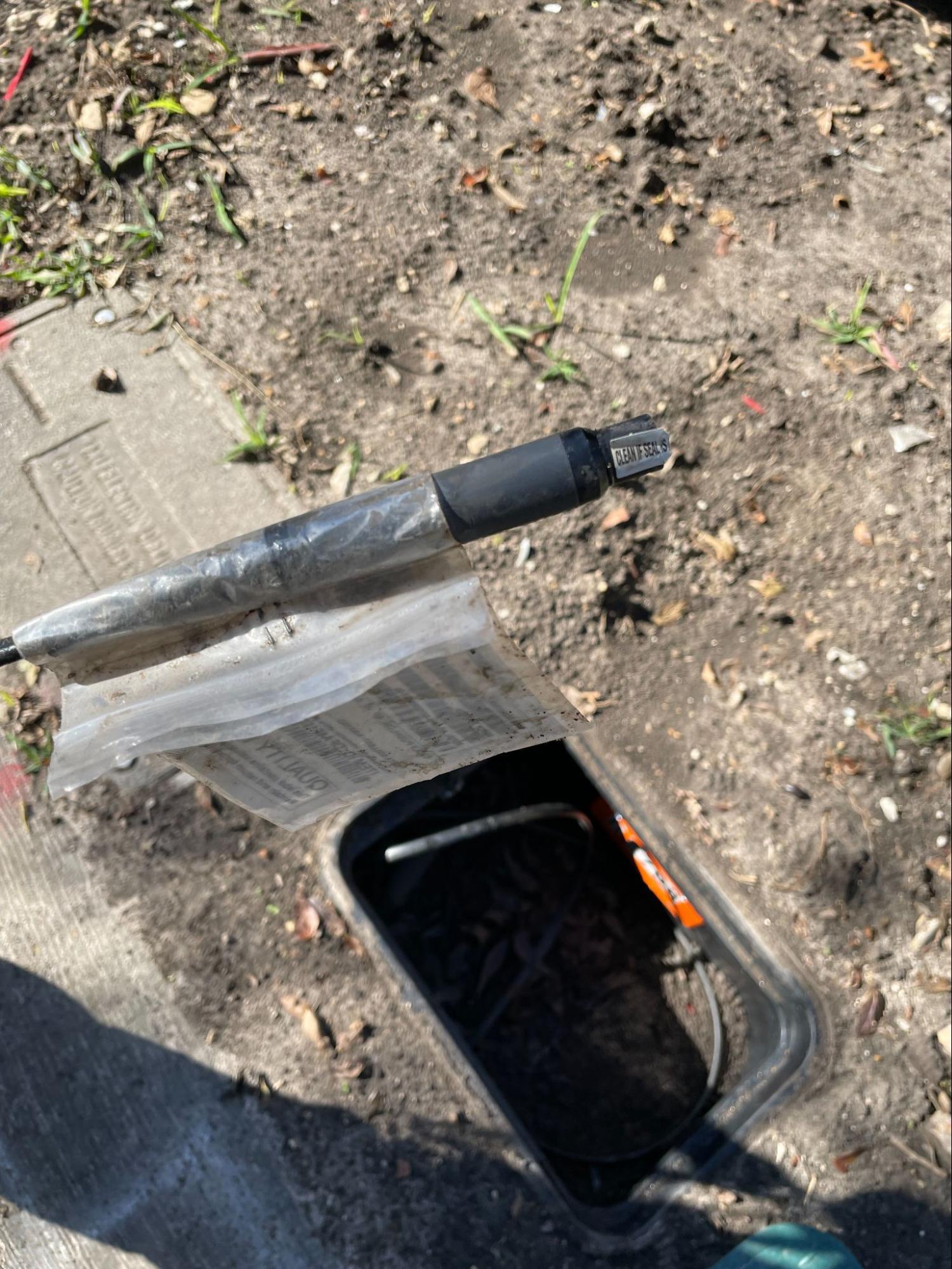
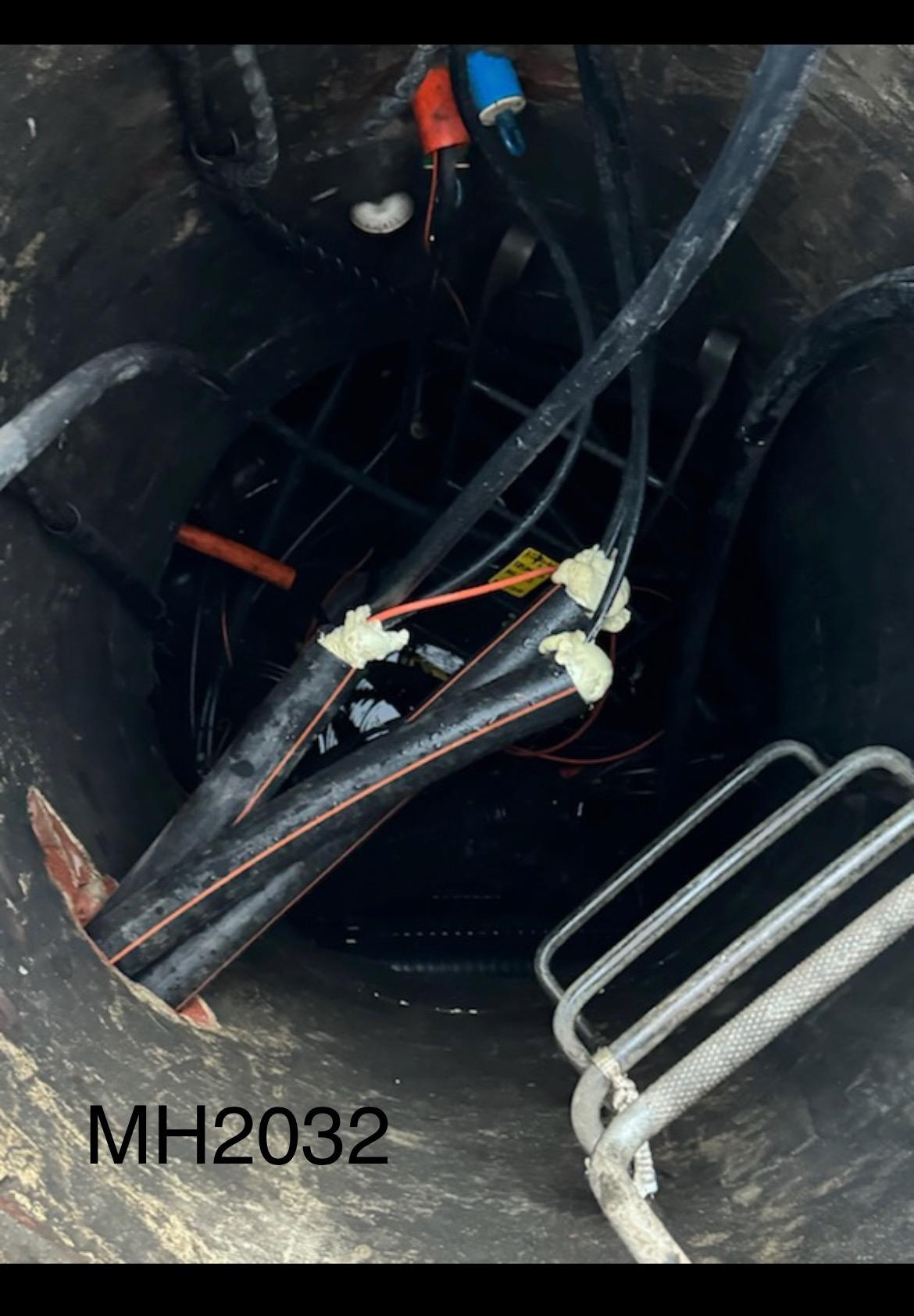
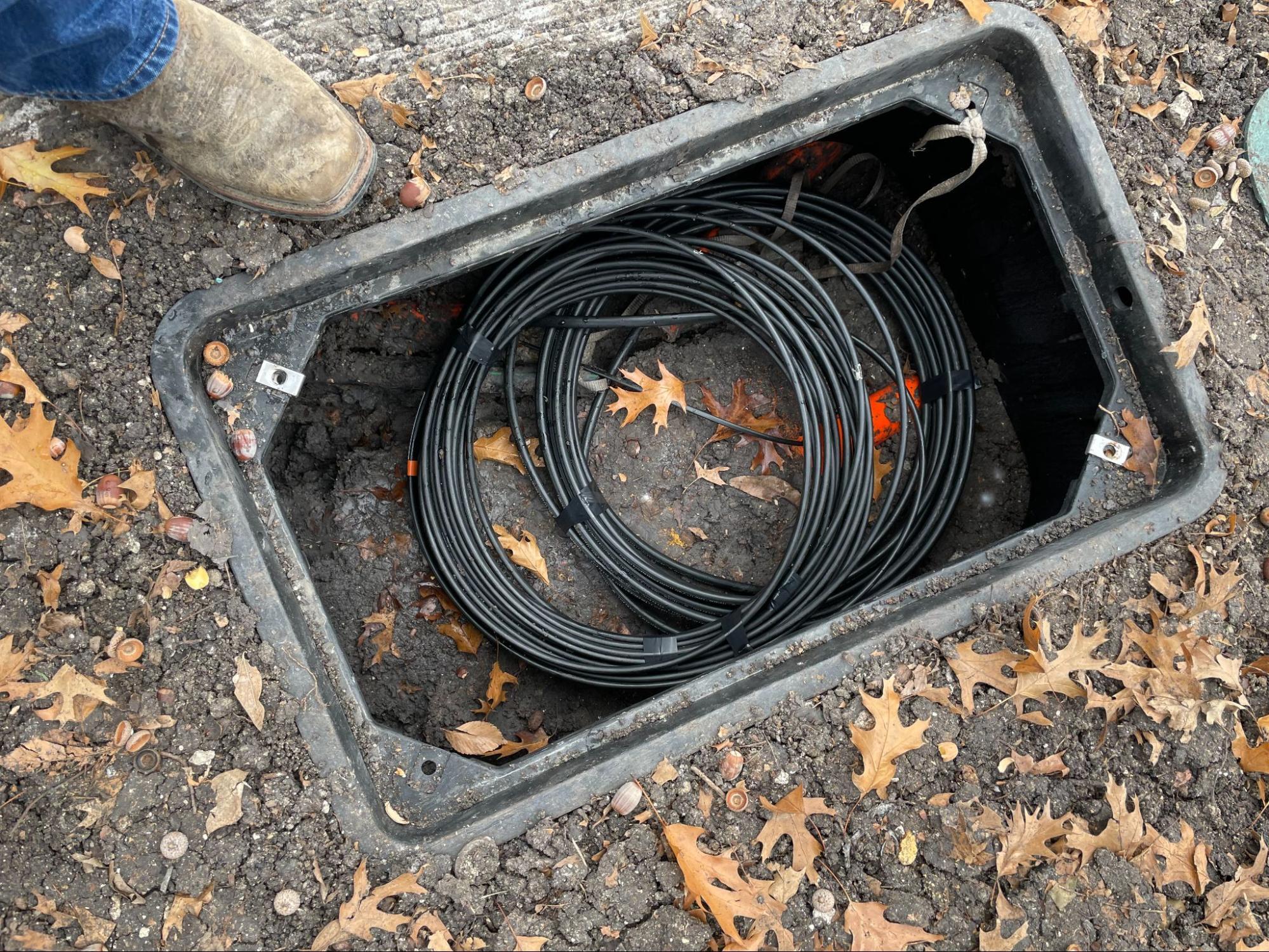
Survey responses indicate that contractor quality issues appear to be recurring and consistently falling into preventable categories. Seventy-five percent of survey respondents reported encountering “Placing Issues” and another 66% reported encountering “Terminal Issues.” Placing and Terminal issues include problems such as improper placement of cables and network equipment on customer premises, leading to jobsite revisits, preventing the turning on of service at scheduled times, and delays in network quality testing. Further, 44% of respondents reported encountering “Ground or Bonding Issues,” which include failing to properly ground cables, which can introduce unnecessary electrical hazards, and can lead to risks of electrical shocks for technicians and customers, as well as risks of fire. The photographs below illustrate the placing, terminal, grounding, and other common quality issues resulting from substandard contractor work identified by AT&T technicians.

A contractor left a severe bend (yellow arrow) in fiber cable which can cause light loss.

Mesquite, TX, November 2024. A contractor left a severe bend (yellow arrow) in fiber cable which can cause light loss. Light loss is when the signal strength at the received end is considerably weaker than at the sending end. This impacts data quality and can cause complete signal loss. Additionally, the ducts are not plugged and there is no gravel placed, which can lead to moisture or other external elements impacting the network. 

Little Rock, AR, December 2024.

Little Rock, AR, December 2024. A contractor left a severe bend in the cable, which will result in the service potentially not being able to be turned on.

Mesquite, TX, November 2024

Mesquite, TX, November 2024. A contractor failed to place a terminal, which can result in delay in service turn-on. Additionally, the ducts are not plugged nor is there gravel to protect cables from moisture or other external elements.

Little Rock, AR, December 2024

Little Rock, AR, December 2024. A contractor placed fiber incorrectly, which could potentially cause service interruptions. The fiber cable should have been hung straight along the other cable and gradually looped so as not to cause bends.

Survey respondents reported issues with contractor’s poor work quality impacting customer relationships and retention. Nearly 75% believe contractor quality issues are negatively impacting AT&T customer retention, with one respondent writing, “When we have to repair contractors’ errors it delays the install. Customers do not deal well with delays these days. They usually cancel the order before the repairs are made and the install can be rescheduled.” Another noted, “Poor quality causes revisits which causes customer dissatisfaction. Who wants a service that takes 2 weeks to be resolved. Contractors’ appearances and vehicles make AT&T appear unprofessional.”

AT&T technicians also believe contractors’ treatment of customer property impacts customer retention and satisfaction. Sixty-four percent of respondents report encountering damage to customer residences/yards resulting from contractors. 
 

“Property owners are upset with the quality and care [of] some contractors we have working in and around their properties. Care to yards and our facilities. Lots of cosmetic issues are left with no regard to the owners of said properties.”

“While placing copper or fiber drops, they will cut customers' utilities or drainage system[s] for gutters, and they will do a [shoddy] repair or not even come back to repair it at all. The majority of the time the contractors will leave the yards or utility easements looking very poorly due to not grading out their spoil dirt. And the appearance of the contractors are not in line with AT&T’s image.”
Seagoville, TX, November 2024

Seagoville, TX, November 2024. A contractor did not install a retaining wall to prevent soil erosion that could be caused by rain or other elements or protect the PFP (primary flexibility point) box from movement, which could potentially cause service interruptions. A PFP box can serve hundreds of customers. The customer’s grass was also not replaced.

The dissatisfaction with contractor work quality is not confined to the technician ranks – 56% of respondents say they hear managers express dissatisfaction, frustration, or concern about contractor quality issues often (most interactions) or very often (nearly every interaction), illustrating that the stress of contractors’ impacts extends beyond rank and file technicians.

Wildwood, MO, October 2024

Wildwood, MO, October 2024. A contractor that was hired to remove drops cut multiple drops that were already providing service to customers. Multiple AT&T technicians had to use bucket trucks and re-bore to reestablish service.

Mesquite, TX, November 2024

Mesquite, TX, November 2024. A tether has been left without a cap which can result in having to re-pull the cable if there’s significant damage. The ducts are not plugged and no gravel has been placed.

Contactor Impact on Work Safety

In the company’s Environment, Health and Safety Policy, AT&T provides the following guiding principle: “AT&T Creed - No job is so important, and no service is so urgent that we cannot take time to perform our work safely and in an environmentally responsible manner.”[25] The stated goal of this policy is “Integrating environment, health and safety considerations into our business processes and encouraging our…contractors to do the same. [26]

AT&T’s decision to rely on nonunion contractors to build and maintain network infrastructure creates work environments that may endanger the safety of AT&T technicians who interact with the network infrastructure, as well as the safety of customers and the public at-large. Poor quality contractor work can create safety risks in a number of ways, including risk of encountering live wires due to failure to properly ground or install cables or restore areas surrounding cables; risk of creating fall hazards due to failure to use fencing mechanisms surrounding underground infrastructure locations; and risk of explosions and serious bodily harm from excavation work, including hitting underground utilities like gas and electrical lines.

AT&T technicians experience safety hazards first-hand. When asked to share their story about how unsafe work by contractors has caused safety risks, one respondent wrote,
 

“We proceed with safety in mind. This means methodical evaluation of ALL contractor work. We can’t trust the work being done is done so safely. Most contractors sub out work to other vendors. Most have no training on AT&T safety.”


AT&T technicians and contractors both face pressures from management to meet deadlines in a manner that could create safety risks.

  • One in four respondents say contractor safety issues have caused risks to the safety of themselves or their coworkers.
  • Similarly, nearly 1 in 4 say that contractors working unsafely often or very often deliver work outcomes that could endanger public safety.
  • One-third of respondents reported encountering utility hits resulting from shoddy contractor work.
     
About 43% of survey respondents reported feeling pressured to work unsafely and cut corners to meet buildout timelines.
Kansas City, MO, November 2024

Kansas City, MO, November 2024. A contractor bore new fiber into the neck of the manhole. By doing this, the contractor made it unsafe for workers to enter and exit the manhole. The new fiber should have been bored into ducts that already existed in the manhole.

Garland, TX, December 2024

Garland, TX, December 2024 . A contractor failed to place a ground for an added splice, which could potentially cause an electrical hazard in case of an energized cable. The ducts are also not plugged and there is no gravel.

Mesquite, TX, November 2024

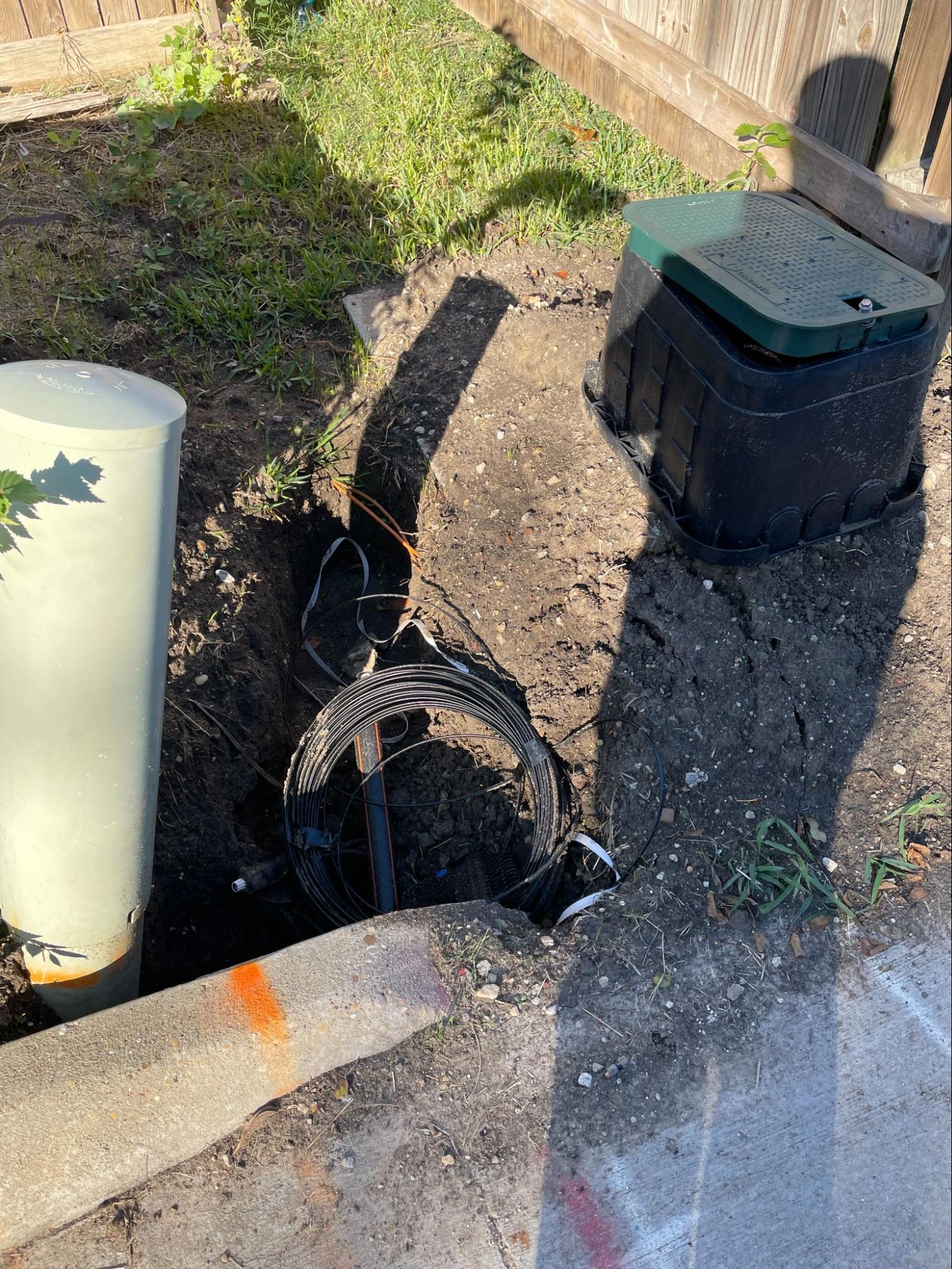
Mesquite, TX, November 2024. A contractor failed to properly secure the Brooks Box (green box in right top hand corner) and left cables exposed to the outside elements. There should be protective fencing to protect the public from coming into contact with the exposed cable.

Red Flags in Contractor Health and Safety Records

A deeper look into the health and safety records of some of AT&T’s key contractors indicates a pattern of failure to protect workers from fall hazards and egress hazards that can lead to trench collapses that, in turn, can cause engulfment (i.e. death by strangulation, constriction, crushing, or suffocation).[27]

  • During an October 2023 OSHA inspection in Oklahoma City, OK, Superior Construction Management, Inc. received four serious citations, two of which were related to workers working under equipment and spoil piles without protective helmets exposing them to “struck-by hazards”[28] and employees working in an excavation more than five feet in depth that were exposed to “cave-in hazards” from falling and/or collapsing soil.[29]
  • During an April 2020 OSHA inspection in Dallas, TX, ADB Companies Inc., received a serious citation related to a worker falling eight feet through a hole while pulling CAT5 wiring, which is an ethernet or data cable often used for computer networks.[30] The worker was hospitalized with a laceration to the head and a fractured back.[31]
  • During an October 2019 OSHA inspection in Fort Worth, TX, Haros Brothers Co. received two serious and one other citations related to a worker not being provided a safe means of egress while looking for a fiber optic line in a 5-foot 5-inch deep trench which exposed them to a “cave-in” and “crush-by hazards”.[32] The employer also did not ensure daily inspections of the excavation, which caused the worker to be exposed to engulfment hazards.[33]
  • During a May 2019 OSHA inspection in Fort Worth, TX, Prime Utility Construction received four serious citations related to failing to protect its workers from crushing and engulfment hazards.[34] According to the citations, on or about April 2019, and at times prior thereto, workers were not provided means of egress from an excavation that was approximately eight feet deep.[35] Additionally, the employer did not train workers on recognizing or avoiding unsafe conditions to eliminate hazards of working around excavation[36] nor did the employer ensure that there were daily inspections by a competent person where possible “cave-ins” or indications of failure of protective systems was apparent.[37]

Table 1 provides a summary of citations by the Occupational Safety and Health Administration (OSHA) for some of the contractors that have been identified as working on behalf of AT&T in the five states covered in this report.[38] Between March 2017 and November 2024, the combined OSHA penalties for all of the listed contractors was nearly $100k, with the average penalty being almost $10k. Out of the combined twenty-three citations that were incurred by all the contractors, seventeen were categorized as serious violations.


Swipe to see more of the table

Table 1: Recent OSHA Record of AT&T Contractors

Contractor

Inspection #

Close Date

Violation

State

Citation(s) Type

OSHA Penalty 

Last Event

ADB Companies Inc.

1589997.015

3/2/23

CO

1 (Other)

$20,720

Formal Settlement

ADB Companies Inc.

1648169.015

2/27/23

MO

N/A

N/A

Closed

ADB Companies Inc.

1624360.015

9/21/22

MT

N/A

N/A

Closed

ADB Companies Inc.

1472778.015

7/24/20

TX

1 (Other)

$8,096.40

Informal Settlement

Haros Brother Construction

1438119.015

11/19/19

TX

2 (Serious), 1 (Other)

$3,043

Informal Settlement

J&L Backhoe Services LLC

1767749.015

9/16/24

TX

N/A

N/A

Closed

Prime Utility Construction

1398384.015

7/26/19

TX

4 (Serious)

$10,912

Informal Settlement

Quest Utility Construction

1512294.015

2/23/21

TX

N/A

N/A

Closed

Quest Utility Construction

1209270.015

3/31/17

TX

1 (Serious)

$2,747

Informal Settlement

Rock and Dirt Construction

1448454.015

1/21/21

MO

2 (Serious)

$9,648

Informal Settlement

Silas White Construction

1422366.015

8/26/19

TX

1 (Other)

$3,978

Informal Settlement

Star Construction LLC

1601354.015

11/4/24

KY

2 (Other)

$9,800

Formal Settlement

Star Construction LLC

1741688.015

7/24/24

OH

N/A

N/A

Closed

Star Construction LLC

1477844.015

9/22/20

KY

N/A

N/A

Closed

Star Construction LLC

1470966.015

8/14/20

KY

N/A

N/A

Closed

Star Construction LLC

1671884.015

N/A

WI

4 (Serious)

$11,098

Informal Settlement 

Superior Construction Management

1706418.015

5/2/24

OK

4 (Serious)

$19,359

Informal Settlement

Source: Occupational Safety and Health Administration

Swipe to see more of the table

Recommendations: AT&T Must Listen to its Workforce

As AT&T’s fiber ambitions continue to grow, the impact of the company’s reliance on contractors that are reported to routinely deliver substandard work will likely increase as well.[39] At a time when the United States is experiencing a boom in fiber deployment, bolstered by federal infrastructure funding, AT&T should invest in its highly-skilled workforce instead of contracting out to the lowest bidder. Even the Communications Infrastructure Contractors Association (NATE)[40] has raised concerns that telecom carriers like AT&T dictate take-it-or-leave-it pricing structures that force qualified contractors’ to work below cost and often lose out to lower-tier “fly-by-night” contractors that may compromise network security and workforce safety.[41]

AT&T should not ignore the observations and concerns shared by CWA-represented technicians in this report and through other channels regarding the impact of AT&T’s use of nonunion contractors on their day-to-day work realities. As multiple internet service providers race to deploy, often in the same localities concurrently, AT&T must rebuild efficient field operations, true customer care in accordance with AT&T CODE guidelines, and positive local relationships if it wants to compete successfully.

Today, AT&T technicians face severe pressure tied to the company’s reliance on contractors. About 75% of survey respondents said they do not feel there is adequate time allotted in their step sequence to deal with contractor quality issues and more than half say contractor quality issues have impacted their ability to meet metrics. No one wants AT&T to be successful more than its workforce, but the company is putting technicians in an impossible position through its reliance on lower-paid, non-union contractors. CWA recommends that AT&T work collaboratively with its technicians to re-evaluate field operations that are contributing to inefficiencies and the negative impacts on the current workforce, as well as take action on other critical workforce concerns raised by their technicians. CWA members look forward to working collaboratively with the company to make sure its fiber ambitions are reached and exceeded.

Citations

[1] National Telecommunications and Information Administration. 2024, November 15. Three Years of High-Speed Internet Infrastructure Investment.

[5] Standard refers to the AT&T quality specifications and standards that directly-employed AT&T technicians are held to.

[9] AT&T Inc. 2024, December 10. UBS Global Media & Communications Conference. 

[17] City of Lawrence, Kansas. 2021, July 15. Cease and Desist Order. 

[21] Ibid.

[22] Communications Workers of America, survey of CWA D6 member technicians employed by AT&T, conducted November 4, 2024 to January 13, 2025 using online survey tool Wufoo

[23] Communications Workers of America, survey of CWA D6 member technicians employed by AT&T, conducted November 4, 2024 to January 13, 2025 using online survey tool Wufoo

[24] Standard refers to the AT&T quality specifications and standards that directly-employed AT&T technicians are held to.

[25] AT&T Environment, Health and Safety Policy, Enterprise-wide, Updated August 2024 

[26] Ibid

[27] Occupational Safety and Health Administration. 1926.1202 - Definitions. Safety and Health Regulations for Construction.

[38] The contractors listed in Table 1 were identified as working on behalf of AT&T by CWA Locals and right-of-way and excavation permits in Dallas, TX, and Kansas City, KS. The Occupational Safety and Health Administration citations listed in Table 1 are not specific to AT&T projects.

[41] NATE Press Release. 2025, January 23. An Open Letter to the Wireless Industry.